I joined Monzo in September 2021. I wasn’t particularly looking to get into FinTech, but I knew they’d hired a fantastic team and established a top-notch engineering culture. I was interviewing with a couple of big social networks at the same time. What made Monzo stand out in contrast was a magical kind of incentive alignment: it was obvious how the business and its customers could win together.
Well, that was the idea. Back then it was still improbable that a tech startup could build a sustainable bank out of thin air. We were emerging from an existential crisis during the pandemic and rebuilding our product development muscle. It’d be a couple of years of hard graft before we turned a profit.
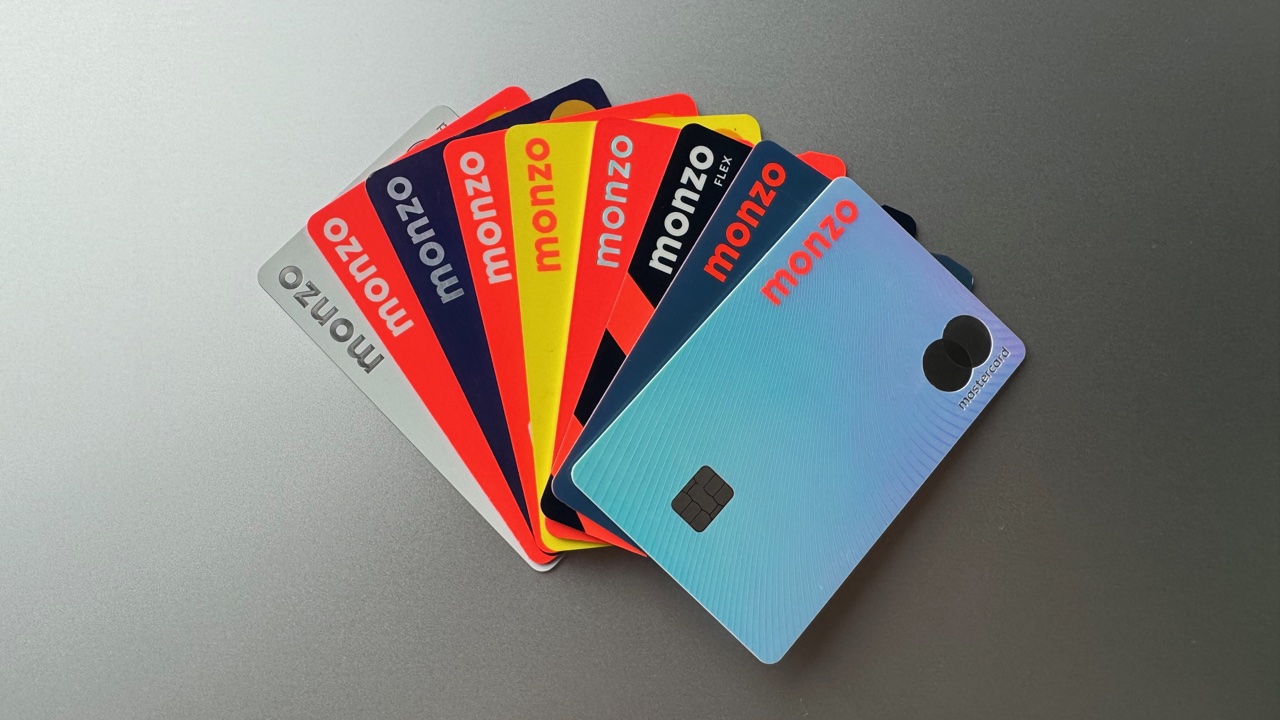
Five years later, I’ve been lucky to have led the teams that redesigned our apps, shipped multiple new subscription products, built kids accounts, launched Monzo Mobile, scaled our design system, and pushed thousands of improvements to the personal banking experience. More than 1 in 5 people in the UK now bank with Monzo.
This is also the longest I’ve stayed at any company. I’ve started getting the “what’s keeping you here?” question in interviews. It’s easy to say “the people”, but this is a massive cop-out. I’ve worked with wonderful, impactful, creative people at places where I only stayed for a year or two. This is my attempt to put the real answer in writing.
Empowered product teams
Cross-functional teams with end-to-end ownership build better products. I’ve had to fight for this idea in previous companies, but at Monzo it’s self-evident. We build small teams with whatever group of people is needed to ship and iterate on the product. Embedding designers, data scientists, and researchers empowers teams to build domain expertise, set their own direction, and make most decisions locally. Business goals flow down the org; product innovation flows upwards.
An opinionated platform of well-supported primitives makes this possible. Long before I joined, Monzo standardised on some core technology choices (e.g. Go, microservices). Some of these decisions were bold at the time, but they’ve paid off. At Deliveroo, we had “orderweb”. At SoundCloud, we had “mothership”. At Monzo, we’ve had the luxury of scaling without a grinding monolith extraction. Product teams get to spend the vast majority of their energy solving customer and business problems.
Side quests
There’s a choose-your-own-adventure element to working at Monzo. I’ve never felt like I need permission to solve a problem, write a proposal, or explore a new idea. This has helped me grow in my role and discover important work. Turn the Ship Around! talks about building a habit of saying “I intend to…” instead of asking for permission. It’s an idea that’s stuck with me, and I’ve found it to be fully compatible with our engineering culture. This can be as small as taking the initiative to improve a hiring rubric, or as big as growing a whole team out of a passion project or side quest experiment.
Energy management might be the hardest problem in engineering leadership. It only gets worse when you’re one or two steps removed from a team and not around to celebrate every win in a long project. One of my old managers would compare running a large team to managing an investment portfolio: some incremental progress, some big swings. I always try to keep something in my personal portfolio that’s just a ton of fun. This creates more energy for everything else (energy management is positive-sum).
What’s next?
I’m not done yet, but after 5 fairly intense years growing 2 teams into 9, it’s time to step away for a minute. A wonderful perk of working at Monzo is the paid sabbatical programme. I’m taking 6 weeks out in November to attend the Recurse Center in NYC. I’ll be posting weekly updates here, so follow along!